

As the federal debt grows and bond yields rise, public owners may need to reevaluate their approach to financing and delivering essential infrastructure projects. Over the past few weeks, the national debt surpassed $40 trillion and the yield on 30-year U.S. Treasury bonds reached a 19-year high. Growing federal debt may constrain future federal contributions to state and local projects, while rising bond yields may increase borrowing costs for those projects. To overcome these challenges, state and local governments may need to consider alternative strategies to address their ...


On June 15, 2026, the U.S. Department of Transportation (USDOT) announced nearly $47 million in funding to help public agencies explore innovative public-private partnership (P3) opportunities across 27 states. Through the Build America Bureau’s Innovative Finance and Asset Concession (IFAC) Grant Program, USDOT is providing public agencies with resources to evaluate assets, identify project opportunities, and advance infrastructure planning ...
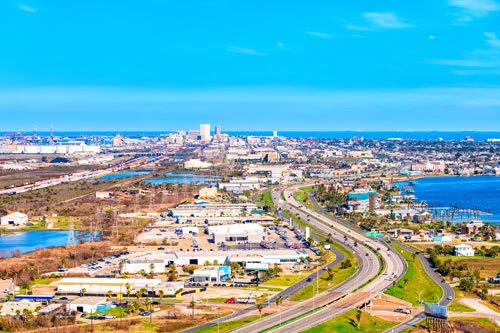
On July 15, 2026, the Texas Department of Transportation (TxDOT) executed a design-build contract and associated capital maintenance contract for the SH 99 Grand Parkway Segment B-1 Design-Build Project in Brazoria and Galveston Counties. Ferrovial Construction-Webber 99 JV, a partnership between Ferrovial Construction US Corp. and Webber, LLC, was awarded the contracts following a two-phase best value procurement that commenced with issuance of a Request for Qualifications in January 2025.
The SH 99 Grand Parkway Segment B-1 Design-Build Project consists of four new SH 99 ...
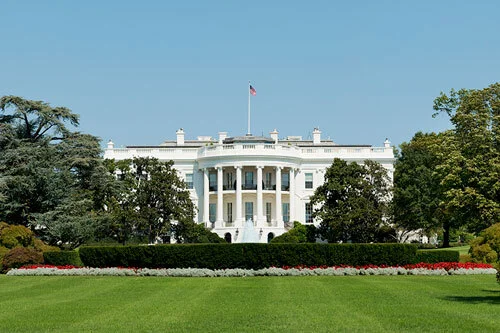
A recent Supreme Court decision has raised important questions about the impact of federal tariffs on water infrastructure costs—but offers only limited relief for project owners. While the Court ruled that certain tariffs imposed under the International Emergency Economic Powers Act (IEEPA) were unconstitutional, most tariffs affecting key construction materials like steel, aluminum and copper remain in place under other authorities. As a result, the overall cost pressures facing water infrastructure projects persist.
The decision may lead to refunds for importers who ...
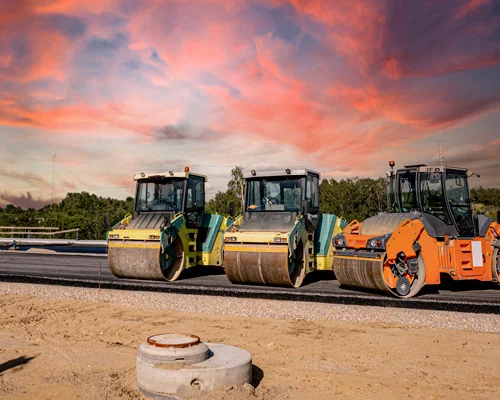
As public agencies increasingly turn to alternative delivery methods for water infrastructure projects, the application of California’s design immunity protections is becoming more complex. While design immunity traditionally shields public entities from liability when approved plans are reasonable and design changes are thoroughly documented, delegating both design and construction responsibilities to private developers can blur accountability and create new risks.
Maintaining design immunity protections may require agencies to stay actively involved in the ...
Nossaman’s 30-plus infrastructure attorneys offer clients, colleagues, strategic partners and industry media a wealth of practical experience, insider insight and thoughtful analysis here on Infra Insight. We blog about what we know best, from industry-leading procurements to local and national policy developments that affect the market and our clients.
Stay Connected
 RSS Feed
Categories
- Airports
- Alternative Project Delivery
- Bridges
- California Environmental Quality Act
- California Water Views
- Cybersecurity
- Design-Build
- Energy
- Financing
- High-Speed Rail
- Infrastructure & Construction
- Job Opening
- Legal Insights
- Legal Precedents
- Legislation
- News
- P3s
- Policy
- Ports
- Rail and Transit
- Social Infrastructure
- Tollroads/ Turnpikes/ Managed Lanes
- Transportation Infrastructure
- Tunnels
- Water
- Water & Environmental Law
- Water Management
